
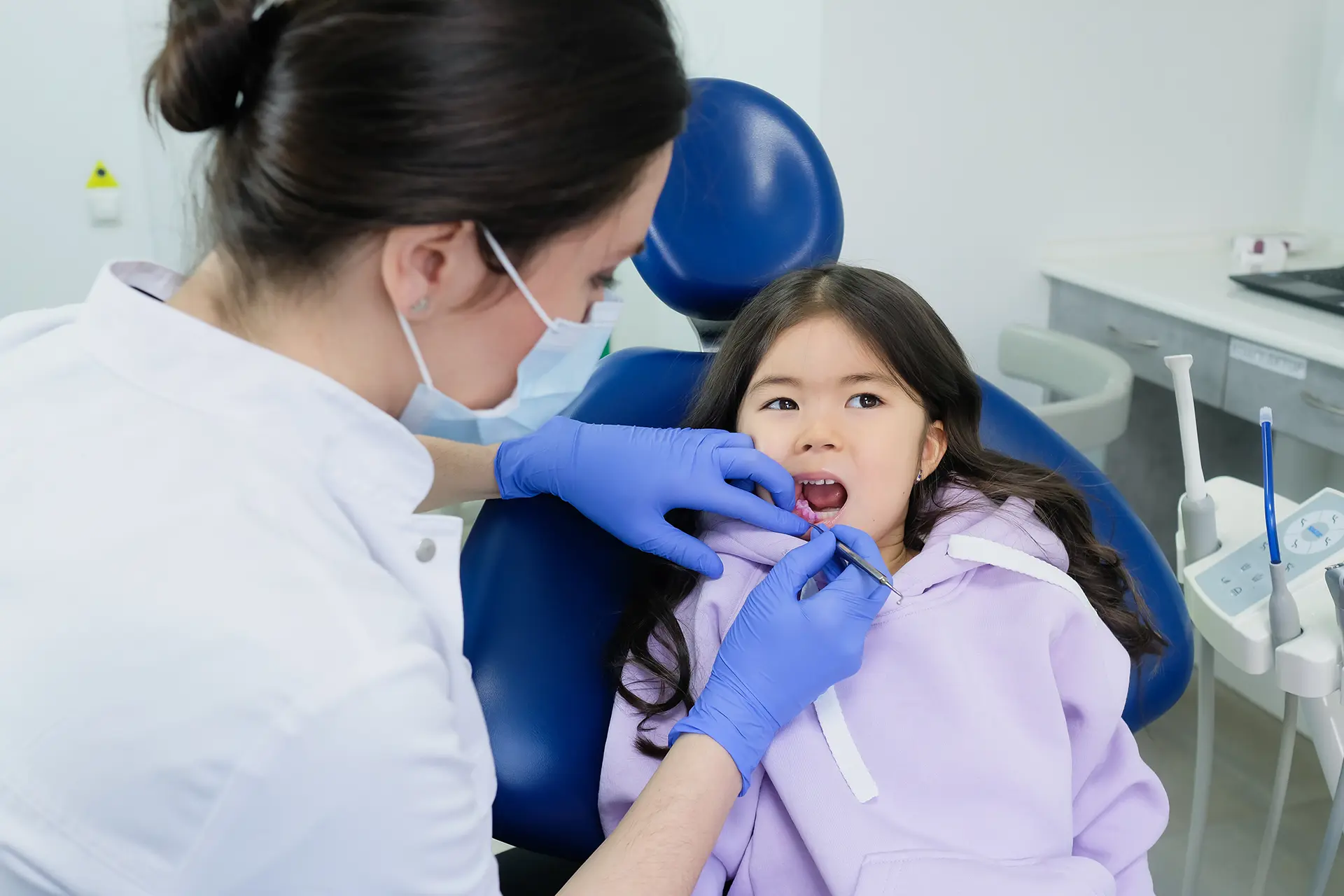
Pediatric Dental EmergenciesIn Franklin Square, NY
When your little one is in pain from a dental problem, every moment counts. Call us right away so we can help your child feel better with gentle, prompt care. Not sure if what's happening is truly an emergency? Keep reading to learn what parents need to know.
What should I do if my child is facing a dental emergency?
Getting quick emergency dental care helps your child feel better fast and get back to being themselves. Toothaches, broken teeth, and other dental problems can make it hard to sleep, focus, or enjoy playtime—but our gentle care eases their pain and worries. Treating issues early also helps prevent bigger problems later, saving you time, stress, and money, while giving you peace of mind that your child’s smile is in great hands.
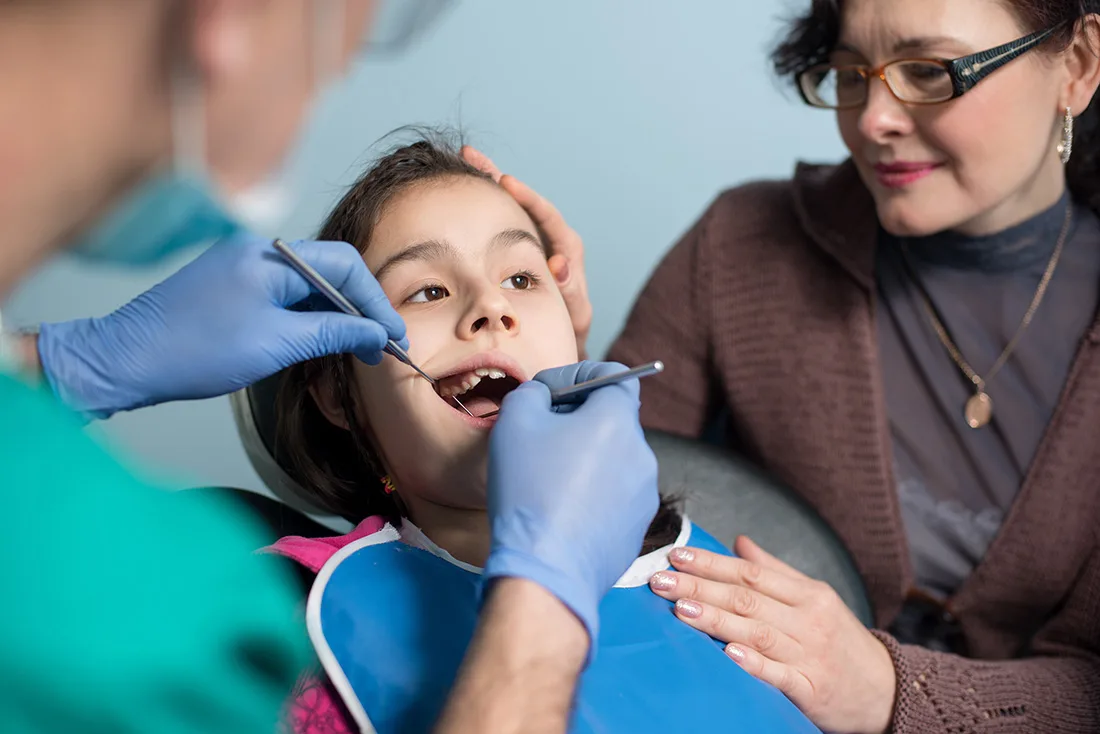

Here when they need it most
No one plans to have a dental emergency, and that’s why we offer affordable emergency exams for kids. There’s no need for your child to wait in pain. Reach out to our team for care today.
Problem-Focused Exams
When a specific issue comes up, we can do a problem-focused exam (sometimes called a limited exam) to zero in on what’s causing discomfort. This helps us treat your child quickly and get them feeling better fast.
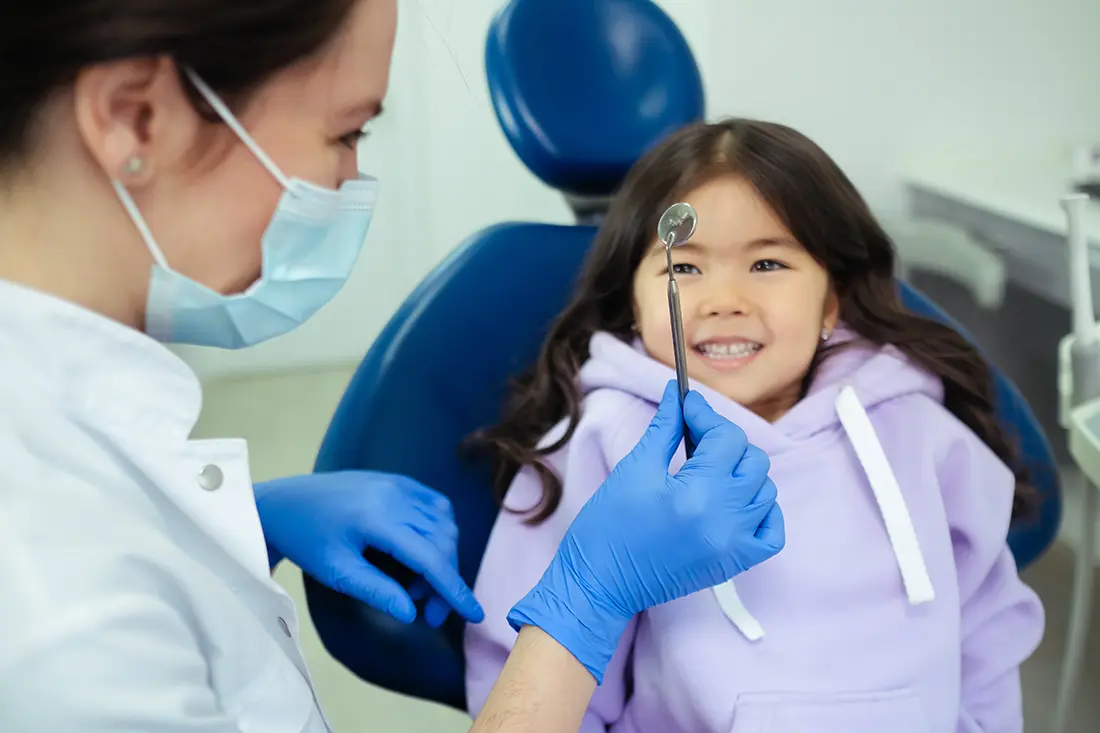
The Benefits of Immediate Emergency Dental Care
Stops Pain Quickly
A broken tooth, lost filling, or bad toothache hurts—and for kids, that pain feels even worse. Once we take care of the problem, your child can get back to learning, playing, and smiling happily.
Prevents Bigger Problems
With dental issues, waiting makes things worse. Getting help right away means simpler treatments, faster healing, and better outcomes for your child.
Saves Time and Money
Fixing a cracked tooth right away costs much less than waiting until it needs to be removed and replaced. When you bring your child in at the first sign of trouble, you'll save yourself time, money, and stress.
The Emergency Dentistry Treatment Process

Call Our Office Right Away
As soon as you notice something's wrong with your child's tooth, give us a call. We'll ask about what's happening, schedule you for the earliest possible appointment, and give you tips on how to keep your child comfortable until you arrive.

Kid-Friendly Emergency Exam
When you get to our office, our gentle dentist will carefully check your child's mouth. We'll find out exactly what's causing the problem and explain the best way to fix it in terms both you and your child can understand.
Treating Your Child’s Condition
Every child and every emergency is different. Depending on what your child needs, we might fix a cavity, repair a broken tooth, help a wobbly tooth, or address an infection. Whatever the problem, we'll focus on getting your child feeling better as quickly and comfortably as possible.
FAQs
Frequently Asked Questions
Check out these frequently asked questions, or call us to speak with our team.
Baby Teeth: If a baby tooth comes out early, we generally do not try to put it back in. However, it’s important to bring your child in right away so we can check the surrounding gums and provide guidance on proper home care to support a smooth recovery.
Permanent Teeth: If a permanent tooth is knocked out, time is critical! Here’s what to do:
1) Pick up the tooth by the crown (the white part)—avoid touching the root.
2) Rinse it gently under cold water; do not scrub or remove any tissue fragments.
3) Place the tooth in a small container of cold milk.
4) Then, come straight to our office. The tooth has the best chance of being saved if it is replanted within 1–2 hours.
A bad toothache often means your child has a deep cavity or an infection starting. You should call us for an appointment right away—these problems won't get better on their own and will only cause more pain if left untreated.
1. Rinse the mouth gently with warm water.
2. Stop any bleeding by applying gentle pressure with a clean cloth or gauze.
3. Save any pieces of the tooth, if possible, and bring them to the office in a small container.
4. Call our office immediately for an appointment.
Important: Even if the tooth doesn’t hurt, it still needs to be examined. A fracture can expose the inner nerve, which may lead to infection or further damage if untreated.
If it's a baby tooth that's getting wiggly on its own (with no injury), that's usually normal. Baby teeth naturally loosen before they fall out.
However, if a tooth suddenly becomes loose after a fall or injury, especially with pain or bleeding, that's different. In this case, you should call us for an appointment so we can check if the tooth can be saved.