

Pediatric Dental FillingsIn Franklin Square, NY
When your little one has a cavity, it can compromise their overall oral health and leave them with a lingering toothache. There’s no need to let sugar bugs get the best of their grin! Get your child’s smile back on track with pediatric dental fillings.
Why should my child get a dental filling?
Dental fillings are an easy and effective way to repair cavities in children’s teeth. Even when they affect baby teeth, cavities shouldn’t be ignored. If left untreated, they can lead to discomfort, infection, and sometimes early loss of the tooth.
Baby teeth do more than just hold space — they help guide adult teeth into the right position. By treating decay with a filling, we restore the tooth’s strength and function, helping keep your child’s smile healthy and on track as they grow.
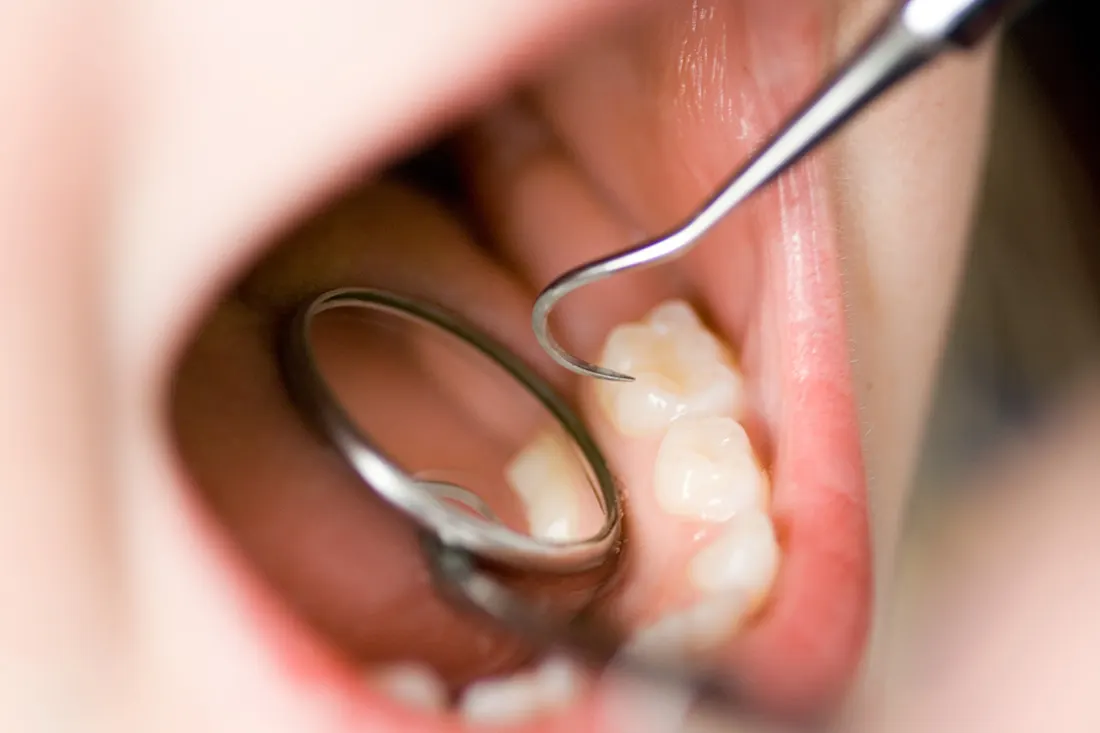
Tooth-Colored Fillings
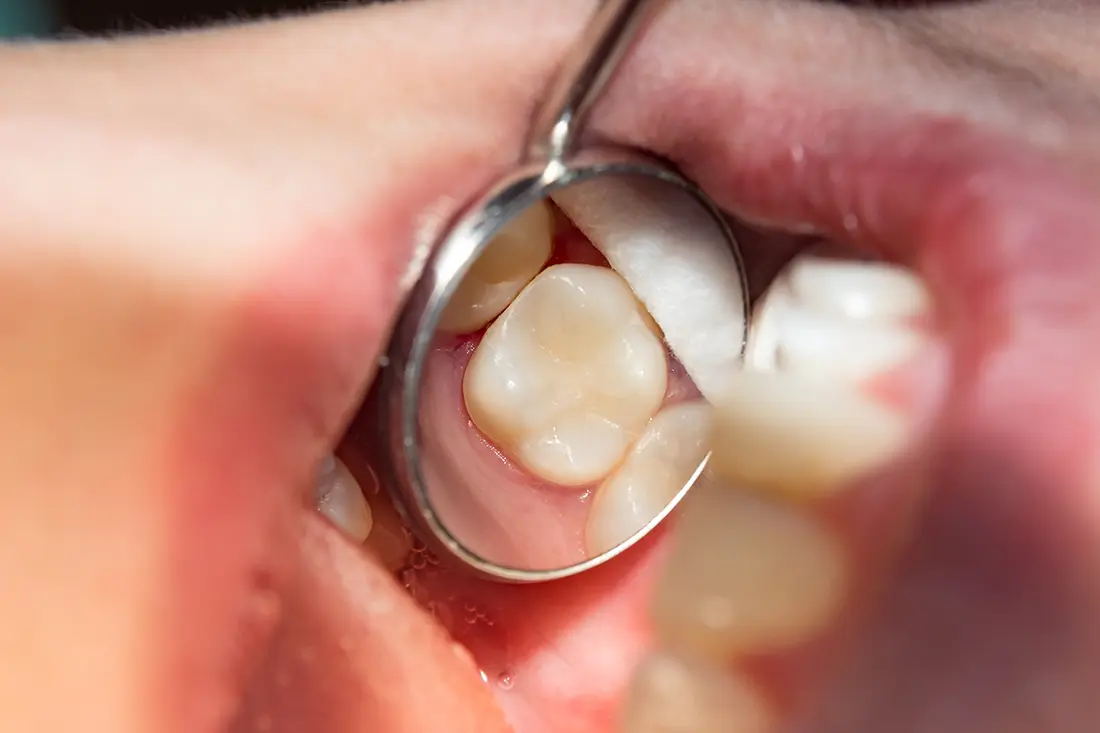
Composite fillings are matched to your child’s natural tooth color, so they blend in beautifully. They attach securely to the tooth, helping rebuild its strength and protect it — all while keeping your child’s smile looking bright and natural.

Care That Won’t Break The Bank
The cost of treatment shouldn’t keep your child from getting the filling they need. We keep care affordable so your little one can have a happy, healthy smile.
The Benefits of Dental Fillings For Kids
Eliminate Pain & Discomfort
Small cavities can cause tooth sensitivity and tenderness to heat, cold, and the pressure of chewing. And bigger cavities could even cause a serious toothache. With a filling, you can eliminate your child’s pain and discomfort.
Prevent Tooth Loss
If it’s left untreated, a cavity will only get worse. Eventually, this may lead to a tooth infection. Without proper treatment, the infection may cause the tooth to abscess or fracture, requiring the tooth be extracted. With a filling, your child won’t be at risk of losing a baby or adult tooth.
Affordable Treatment
Pediatric dental fillings are simple and affordable, and are typically covered by dental insurance. This makes them a budget-friendly option. This is especially true compared to more extensive treatments like pulpotomies and crowns, which may be needed if your child’s cavity continues to grow.

Board-Certified Pediatric Dentist
Rest assured that your child is receiving top-notch, specialized care with our Board-Certified Pediatric Dentists. To be recognized by The American Board of Pediatric Dentistry, doctors must undergo extensive training in the pediatric field in addition to their standard dental degrees.
The Dental Filling Treatment Process

Initial Consultation
First, your child’s pediatric dentist will examine their mouth for signs of cavities. This may take place at a routine six-month visit, or whenever you bring your child into our office and suspect they have a cavity. If your child is complaining of pain, discomfort, or tenderness in one of their teeth, consider bringing them in for a checkup.

Tooth Preparation
After your child’s pediatric dentist confirms their cavity, you’ll schedule a follow-up appointment. At this appointment, your child’s dentist will gently shape and clean out the decayed area of the tooth to create a healthy foundation for a restoration.

Filling Placement
Once your child’s tooth has been prepared, their dentist will use a tooth-colored composite resin to restore both form and function for a natural looking and comfortable result. This resin starts off soft as it’s applied to the tooth, allowing the dentist to sculpt the material. A curing light will then be used to harden the material. This looks a lot like a mini flashlight! As the final step, your child’s dentist will check the fit of the filling and make any necessary adjustments to make sure your child’s bite feels comfortable. Then, you and your little one will be sent home to enjoy the rest of your day.
FAQs
Frequently Asked Questions
Check out these frequently asked questions, or call us to speak with our team.
Your child may report feelings of sensitivity or discomfort when chewing, eating hot or cold foods, or eating very sugary foods. This is a common sign of a cavity. More advanced decay may result in intermittent toothaches and pain.
You may also be able to recognize visual indicators of tooth decay. If you look inside your child’s mouth and see a dark brown or black stain on their tooth, or you think that you can see visible pits or holes in your child’s tooth, it may be a cavity or tooth decay. If you suspect that your child has a cavity, contact your child’s dentist right away for an oral exam.
Cavities aren’t always deep enough to cause pain or discomfort, but this doesn’t mean that they can be ignored. Over time, cavities will always become more serious, and could even result in an infected tooth if they are not treated. We highly recommend contacting your child’s dentist about treatment with a filling or SDF (silver diamine fluoride) if you suspect your child has a cavity, even if they aren’t feeling any discomfort or pain.
No. Dental fillings do not hurt at all. In fact, after having a filling placed, your child won’t have to worry about tooth pain or sensitivity caused by a cavity, so they can smile brightly and eat their favorite foods without any more discomfort. The process of getting a filling is minimally-invasive, and we have a few different options to ensure they don’t feel any pain such as laughing gas and/or local numbing agents. In addition, we offer the option of sedation to make sure that your child can remain completely comfortable.
Fillings are used to replace decayed tooth structure (enamel and dentin), which will continue to degrade if it’s left untreated. Your dentist prepares the tooth by removing any remaining unhealthy enamel, and then it’s replaced with the filling material.
This stops the progression of the cavity by eliminating all damaged tooth material, as well as the bacteria that contributes to decay. In turn, this keeps your child’s smile bright and healthy.
Yes. Dental fillings for kids are usually covered in some way by most insurance policies, though you may be subject to a deductible or yearly maximum coverage for your child, depending on your insurance plan. As always, we recommend contacting your insurer directly if you have any questions about your child’s coverage and want to make sure that their fillings will be covered.